April 24, 2026
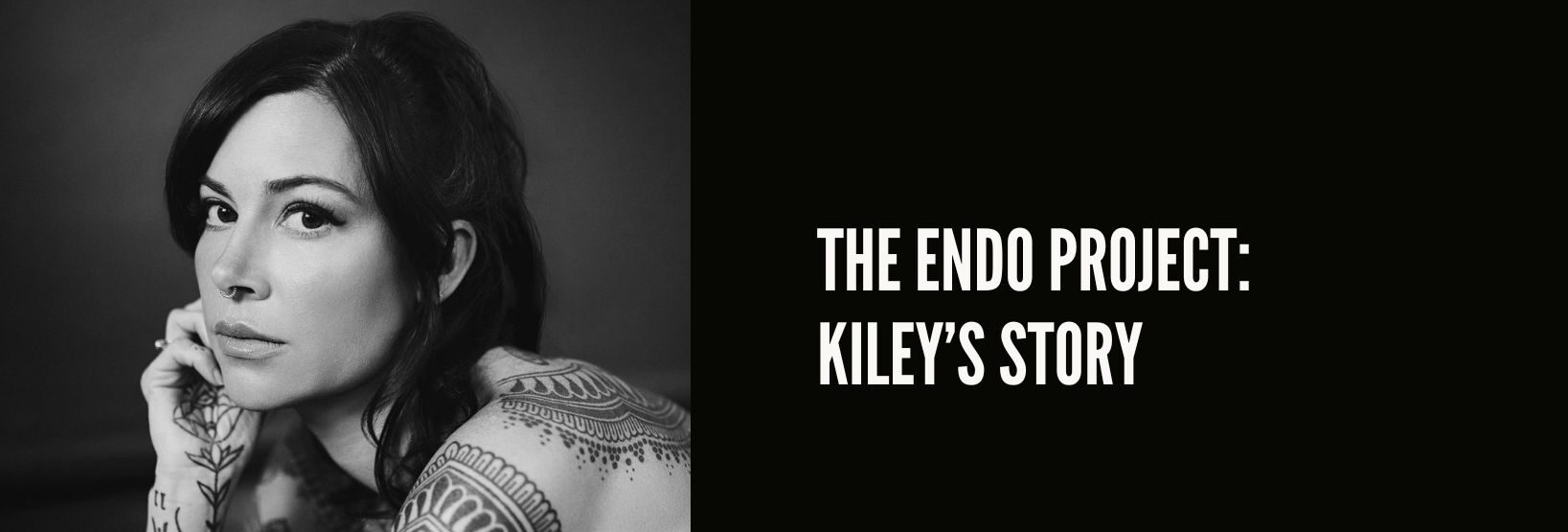
We are back with another entry into The Endo Project, this time featuring Kiley and her experience with Endometriosis. She shares how much she’s had to work through flare ups, trying to be a parent, being an artist, and a yoga teacher all the while suffering in silence.
“Living with Endometriosis has shaped my life in ways most people never see. What started as painful, lengthy periods and painful intercourse, over the years became chronic pain, digestive issues that keep me uncomfortable much of the time and fearful of leaving the house, bloating, brain fog, flare-ups that can completely throw off my days and depression as a result of feeling completely depleted and hopeless.
As a single mom, artist, and yoga teacher, I don’t really feel like I have the option to stop when I’m having flare ups, sometimes they last weeks. I still have kids to care for, classes to teach, work to do, and bills to pay , even when it feels like my body is working against me. I’ve tried to learn to function while being uncomfortable, exhausted, or in pain, rotating medications. It has affected my energy, my finances, my mental health, and my sense of security. It’s changed how I plan my life, travel, work, and even rest. Endometriosis is something I think about pretty much every single day, even on the not so painful days.

I was fortunate to see a gynaecologist in my hometown in my late teens- who immediately suggested it could be Endometriosis and asked if I would like to schedule a laparoscopy. At the time, I didn’t feel like my symptoms were that bad. I had painful sex, long and heavy periods, and a lot of clotting, but I didn’t yet have the digestive issues and widespread symptoms I experience now. So I was surprised when she did find Endometriosis during the procedure. It was considered mild, and she cauterized what she found.
For a while, things felt managed. After that, I was put on continuous birth control for about a year, and then later used it more traditionally, sometimes skipping periods when needed. For a while, things felt managed. As I moved cities in my early twenties and established a new doctor, I slowly lost consistent follow-up for my Endometriosis. It wasn’t that anyone dismissed me, it just became something that wasn’t actively monitored anymore. Life, work, and eventually having kids took priority, and my care became more reactive than preventative. I experienced some fertility challenges for my first child, including a blocked fallopian tube that was discovered and treated, and I was eventually diagnosed with Adenomyosis as well in my early 40s. Looking back, I realize that even though my initial diagnosis was handled well, there wasn’t enough long-term support or education about how endometriosis can progress over time.
From the time I started seeking medical help to having a laparoscopy and confirmation, the process didn’t take very long compared to many others’ experiences. In that sense, I was fortunate. I didn’t have to wait decades for an initial diagnosis. However, while the diagnosis came early, long-term follow-up and ongoing management didn’t really continue as I moved, changed doctors, lost my gynaecologist to a move out of town (still on waitlist for another) and went through different stages of life. So although I knew I had Endometriosis, there were long periods where it wasn’t actively monitored or supported, and I was mostly managing symptoms on my own.
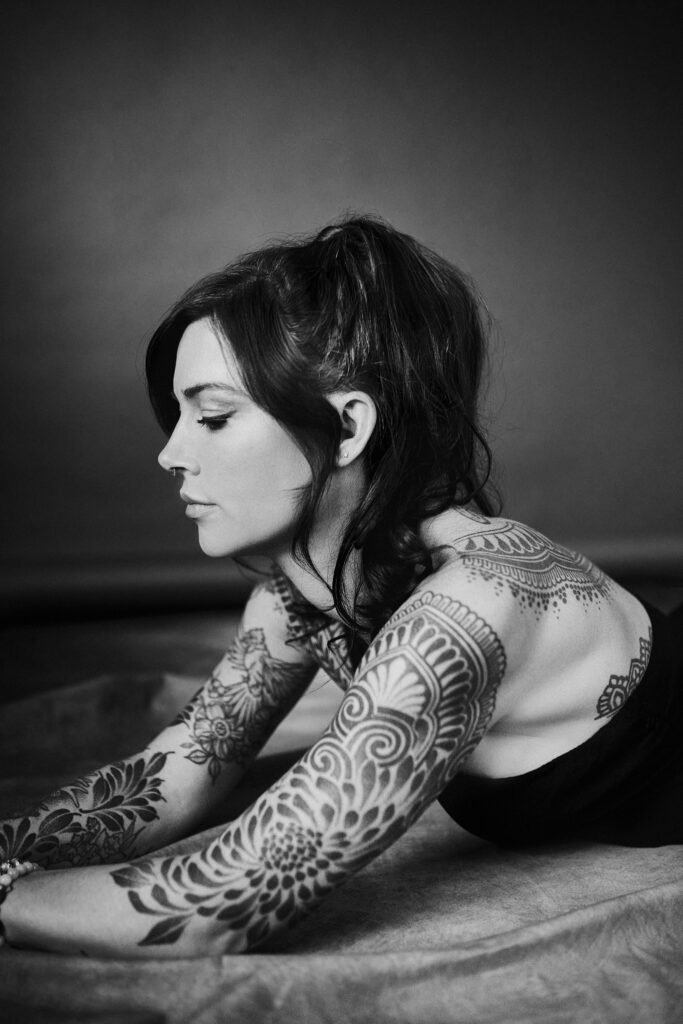
I wish people understood how invisible and yet debilitating this disease is. You can look “fine” on the outside while feeling awful on the inside. We are still showing up, working, parenting, and functioning and that often makes it easy for others to underestimate what we’re dealing with. I also wish people knew how emotionally exhausting it is to constantly manage symptoms, medications, the flare-ups, and uncertainty, with little help from professionals. We often have to plan around pain or are calculating how much energy we have. We are often wondering and dreading if tomorrow will be worse, or if the symptoms with subside.
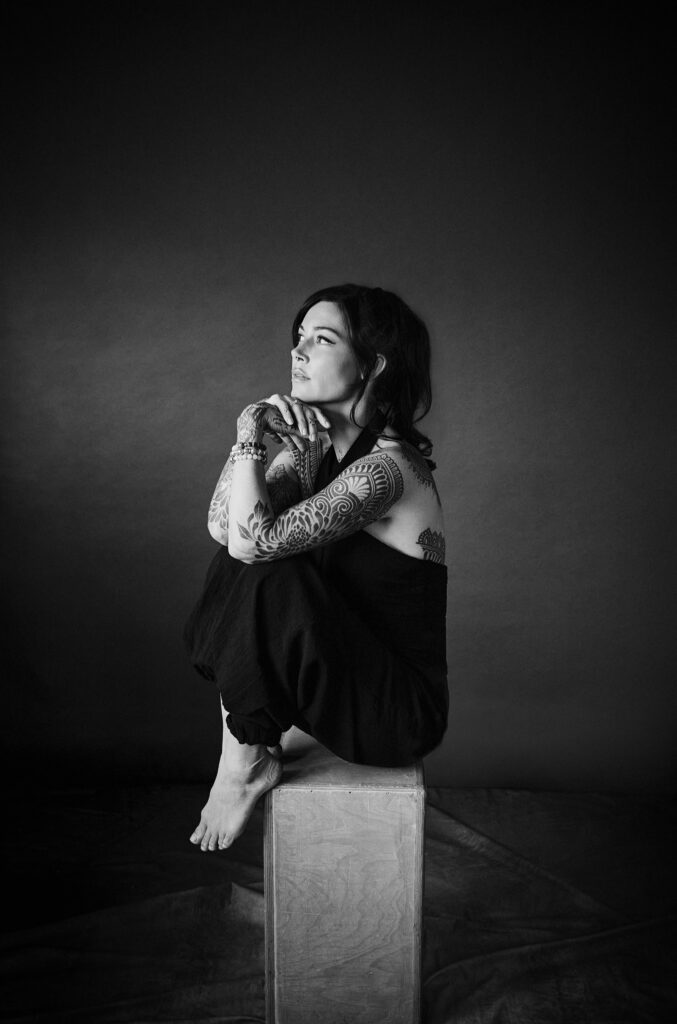
And I wish people understood how often we are dismissed and how little help there is available here. Being waitlisted for gyno (which may not be much help anyway) or told by a doctor that it’s normal, stress, or “just hormones” makes you start doubting yourself and is completely frustrating . Endometriosis affects every part of your life not just your period cycle, and it deserves understanding and compassion.
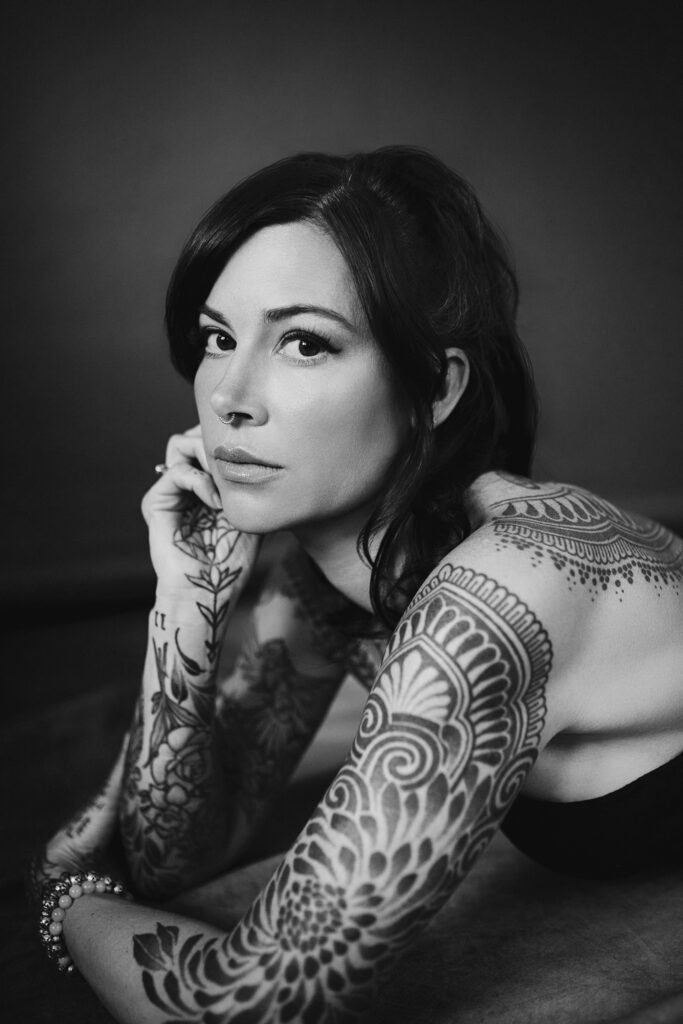
Trust yourself and trust your body. If your pain, bleeding, or symptoms feel disruptive to your life, that matters, even if someone else tells you it sounds normal. Pay attention to patterns. Keep track of your cycles, pain, digestion, energy, and anything that feels off. Having that information helps you advocate for yourself with doctors. Don’t be afraid to ask questions or push for referrals, be persistent. If you feel dismissed, it’s okay to look for another opinion.
Also, understand that Endometriosis can and does change over time. Just because your symptoms feel manageable some days doesn’t mean you shouldn’t stay informed and supported. Ongoing care matters. Finally, give yourself compassion. Living with a chronic condition takes strength, even on the days when you’re just trying to get through normal life. You deserve both answers and relief.”
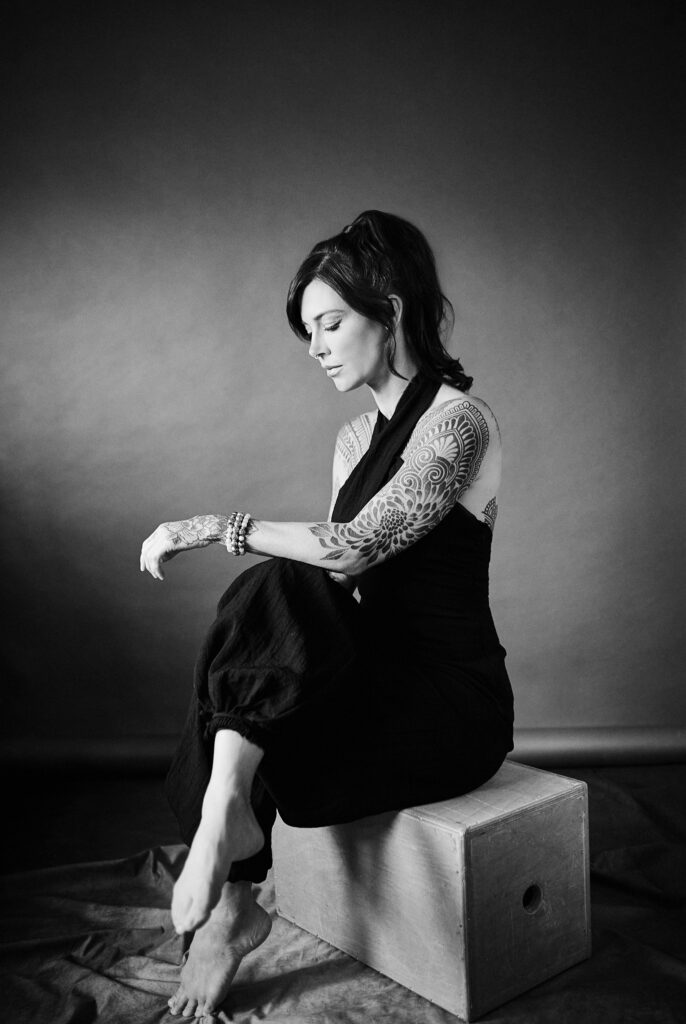
A HUGE thank you to Kiley for coming into the studio and sharing her story with us ! Sharing our experiences is so helpful for those who are uncertain as to what to do or where to start and your advice is greatly appreciated!
A special shoutout to Jennifer at Addion’s House of Hair for providing hair and makeup for the photoshoot.
If you are comfortable sharing your story, head over to THE ENDO PROJECT page or the CONTACT page to have your submission started. Thank you for taking the time to read Kiley’s story and we will have more to share soon!